Friday, November 10, 2006

OJOS nuevos: clase número seis


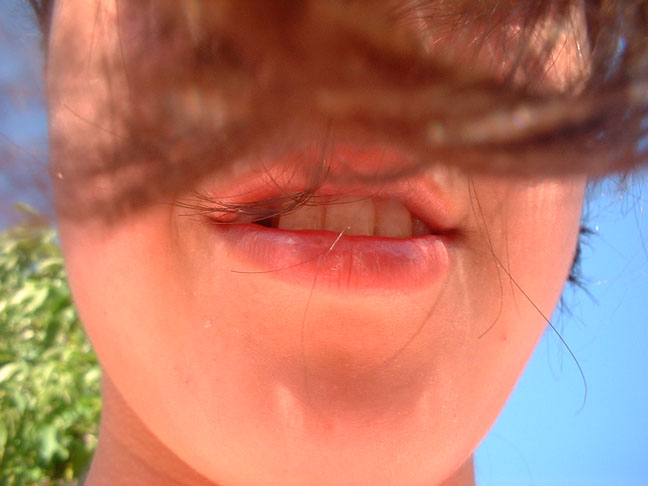
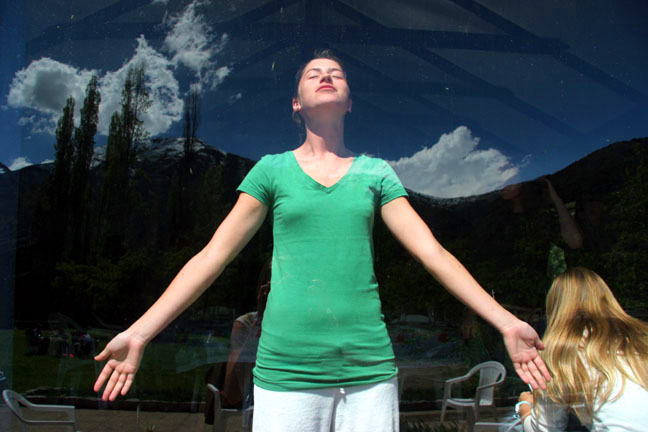
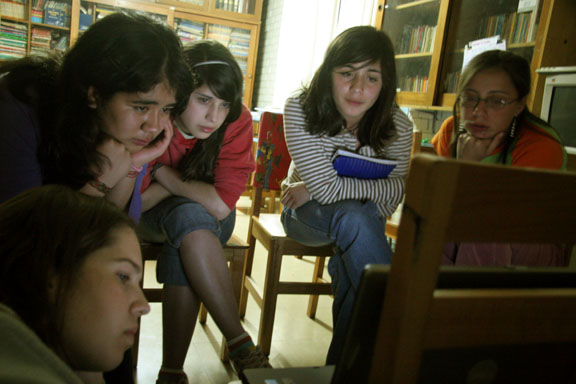
Objective for Week 6: Emotions. Each girl has been working on capturing photos focusing on an emotion, using one word as her guide.

Now that we've been having class for over a month, the hogar has become accustomed to seeing and being in front of the cameras. The girls are also much more comfortable with them, although we had one major problem recently: one student was walking with her camera and tripped on a hose, scraping her elbow and dropping her camera. Luckily her elbow is now fine, but the camera didn't heal quite as well. In fact it doesn't work, and I have yet to get an estimate on how much it would cost to fix. It was one of our best cameras too, but accidents are going to happen... I just wish we had a back-up camera.

I've been working on our end of the class exhibition, and I may have found a place for us. Even if we have to have the show in the hogar itself, I know we will have a show, so we have begun to divide up responsibilities during class. One girl is in charge of invitations, another of writing emails to newspapers and other personal contacts. One will design a poster, another will help me with typing the biographies and captions for the show, and the last two will be in charge of the logistics of the opening party-- juice, snacks, etc. The girls are very excited to have specific jobs, and I hope that we will draw a good crowd.

While the girls will still have access to their cameras, our class time will also be used for having critiques of our work. Taking pictures is one thing, but thinking creatively and explaining your ideas is also a goal for the class. Each girl will select 8 photos for the show, if we can afford to print that many. Not only would I like to have many of their photographs on display, but I would also like to give each student their favorite photos in print. At the end of the class they will also receive a cd of all of the photos they took.... but seeing as their access to computers is very limited, I would like to be able to give them something tangible. Hopefully we can find a printer who will give us a good deal on our printing...

**************************************************

The first class of OJOS nuevos will meet for another 2 weeks. While we are excited to have started class, our resources are incredibly limited. We cannot keep the program running without the help of our supporters. If you would like to see OJOS nuevos succeed, please contribute in any way possible. Thank you to everyone who has donated and helped us come this far.

Thursday, November 09, 2006

go to the coast


Chicago has many attractions, but it does not have an ocean. Lake Michigan tries, and sometimes it can deceive you, if only for a moment-- especially on the Michigan side at the dunes. However, when you are sitting in the sand, watching the 12 feet (and taller) waves crash into each other, the rocks, sucking the sand underneath them with such a force as to pull people off their feet, you realize that you while it may be called "great," that lake is really nothing like the ocean.

Working in Santiago has its perks, being the work we are doing, but outside of that I'm not sure that I would characterize it as one of my favorite cities. I guess it depends on what you choose to value. I loved Chicago as a city, but I didn't feel satisfied at my job. Now I love my job, and I don't mind the city. I think I'd rather feel satisfaction from my job than from the city, also because my friends here are also my co-workers. Similar in age, similar in our realistic idealism, but extremely diverse in life experience, skills, cultural influences, etc, our group of volunteers never lacks energy, ideas, surprises, and of course our share of drama. The city may seem a little smoggy and drab at times, but our work and our organization definitely keeps it interesting.

Traveling outside of Santiago has begun for the class of Septiembre, 2006. A group of people are in Patagonia right now, and another in Peru. A small group of us recently went to Valparaiso and Vina del Mar, and in a couple of weeks will go to Mendoza... it's just that old 3-month time: renewing the tourist visa. But even without that marvelous excuse to leave the country, leaving the city you realize how exhausting being here in Santiago can be. After the weekend in Valparaiso, only 2 hours away by bus, my thoughts (and my lungs) felt much clearer. While for me there is nothing like a sun-filled day at the beach, I still preferred Valparaiso as a city. Reminiscent of Cinque Terre in Italy, I could walk the streets for hours enjoying the endless curiosity the city provokes. But oh, the beach..... must return to the beach. Soon.

If you'd like to see all of the photos, visit the set here.

Friday, November 03, 2006

OJOS nuevos: clase número cinco


We've now reached the half-way point of OJOS nuevos. With four weeks behind us, I thought it would be a good idea to spend class reviewing our progress. We started class with a photography slideshow, followed by a discussion focusing primarily on a photo by Roger LeMoyne of a pool of blood, a consequence of an Israeli / Palestinian conflict. I'm not sure what exposure our kids have to current events, especially of an international scope. The girls are not shy to ask about the photos we view though, and I feel that powerful images such as this one spark their interest in a unique and influential way. It's not the same if I were to tell them about conflicts in Israel , Palestine, or anywhere else; the girls wanted to know whose blood it was, and why it had been spilled.


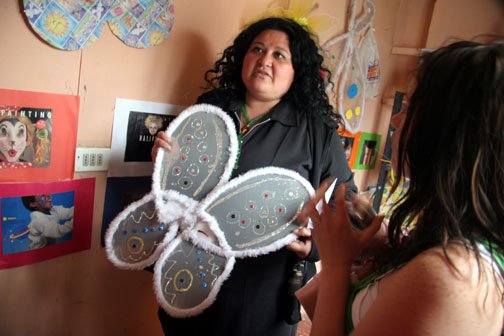
Each day the girls have their cameras they become a little more creative. I felt at first that we were at a disadvantage for not being able to leave the hogar with our cameras. I would still like to leave before the end of class, the main problem being memory cards and batteries, because I think it would give them a much wider view of what they can do with their cameras. But even within our limitations, the girls find ways to create interesting and unusual images. Here is an example of one of the portraits taken over the last two weeks. The girls are learning to explore a little more, to find something new within the same familiar walls of their hogar.

For the next class, each student is to choose one word and capture it in some manner in at least 20 photos. So far I've heard "solitude," "anger," and "affection" being thrown around, but stay tuned for next week's class for final results.

**************************************************

The first class of OJOS nuevos will meet for another 3 weeks. While we are excited to have started class, our resources are incredibly limited. We cannot keep the program running without the help of our supporters. If you would like to see OJOS nuevos succeed, please contribute in any way possible. Thank you to everyone who has donated and helped us come this far.

Wednesday, November 01, 2006

drama at domingo savio


I've seen plays in the theatres downtown Chicago, I've crouched mesmorized in the velvety shadows of the Vienna opera house, and I've attended my fair share of high school musicals and college performances, but I've never witnessed such anticipation or self-gratification from actors as I did at Domingo Savio last week. You would have thought that the kids were about to appear before some temperamental queen and their lives depended on their performance. Instead, more than 25 children enacted two plays in the dining room-turned-theatre, the window treatments becoming stage curtains, the kitchen becoming backstage. Friends and relatives crammed into the front room to support their young thespians, ready for the culmination of months of practice.

I arrived to find the club in chaos with kids running around with half-painted faces, tias and tios running after them , Tia J giving last minute tutorials on the "stage," and volunteers hanging curtains and adjusting lights. Once gathered together, costumed and decorated, all the children stood in a circle. Tia J asked that everyone close their eyes and think about all of the preparation for this day and the upcoming performance. Some children confessed to the group how nervous they felt, as they had never acted in front of an audience before, others just bit their nails and fidgeted. Tia J offered supportive compliments, and reminded them of their confidence and ability. With that, it was time to begin.


The older group acted first, the younger second, each child with their own chance to shine in the lights and command the room's attention. Mistakes didn't exist: they were brushed off without the slightest notice. Whether the children had 5 years or 15 years, everyone acted seriously and sincerely, transforming the dining room into the most captivating stage and capturing everyone's hearts. The end of the plays marked an especially emotional moment as two girls bid farewell to the club. After having spent over one year at Club Domingo Savio, the director Tia O had told me, the girls had made huge strides in behavior and confidence-- the theatre project being very influential.

Domingo Savio is a community center, providing children a safe and stimulating place to stay after school until early evening. Once a week, a theatre teacher opens up the old garage behind the center, which she has turned into a makeshift stage. Donated dresses and old suits have created a costume bank, and the kids build inventive and elaborate props using things like egg cartons and old water bottles. Right now, Domingo Savio is raising funds to rebuild the old garage into a brand new, well-equipped theatre for all of the community to enjoy. Obviously this huge undertaking requires much support. If you or anyone you know would like to help, please contact me for more information.

Please view the photographs from this spectacular event, and spread the word about the Domingo Savio Theatre Project. If you'd like to read more about Domingo Savio, please read the article from September 6.

Friday, October 27, 2006

OJOS nuevos: clase número cuatro


Objective for Week 4: Portraits: Part II. Students will continue to explore portraiture in an experimental but guided manner. The goal for this week is to push past initial compositions and habitual picture taking.

Working in any of our hogares, I think we would all agree that we have to be able to be flexible and patient. I know I had had a plan for the 8 week class, but because of the nature of the hogar, I have had to switch things around a lot. We weren't initially going to focus on portraiture two weeks in a row, but due to many unforseen circumstances, it seemed best to continue for one more week with a similar objective. We are about at the half way point for class, and to keep ideas fresh I decided to dedicate class #4 to brainstorming and discussion. Gathered around the computer, we started by reviewing a series of portraits I took of Lena. Because they are becoming more comfortable discussing photography, they immediately began conversing over which photos provoked which emotions. Some photos had more extreme compositions than others, some contained strange effects of light and shadow. I remember in the beginning of this project, the girls would review their photos on their cameras and immediately judge them, asking me to please teach them how to delete the images (the cameras are in english). Now they are learning to wait and view the image for what it is, because an "imperfect" image might actually be more interesting and creative. I saw them taking their time when viewing the portraits of Lena, and formulating more carefully their responses.


For the bulk of this week's class, we spread out in the comedor, or dining room, each student at one table. I passed out a large sheet of brown paper and markers, and asked the girls to write "Mi Hogar" in the center (my home). To the tunes of Andrew Bird, we created mind maps exploring thought patterns, associations, and connections stemming from the center and blooming to fill the whole paper. I thought I would have to help them more, walk around and encourage them to keep thinking, but more than half of the girls seemed to take off running with the concept. It did seem to help for me to reassure them that these were private exercises, and they should write their associations honestly.

Project for Week 4: Continue exploring portraiture, referencing the ideas and feelings from class discussions and documented on your mind map.

**************************************************

The first class of OJOS nuevos will meet for another 4 weeks. While we are excited to have started class, our resources are incredibly limited. We cannot keep the program running without the help of our supporters. If you would like to see OJOS nuevos succeed, please contribute in any way possible. Thank you to everyone who has donated and helped us come this far.

Sunday, October 22, 2006

how to motivate the underdog


When I first told "Mari", age 7, on Friday afternoon, that she would be coming with us to Liga de Futbol the following day, she didn't believe me. We had just watched another girl run across the wide concrete patio to the outstretched arms of her madrina, with whom she would be spending her weekend. Mari, watching the happy spectacle, immobile and long-faced, told me that she would feel better if she could see her father. The girls who don't have second families or permission from the court to stay with certain family members usually stay in the hogar the whole weekend. Liga de Futbol, our monthly inter-institutional competition, allows a team of girls or boys to spend the afternoon playing soccer and other games, painting faces, listening to music, and meeting other kids outside of their hogar. While it may not seem like a huge deal to some people, many of our kids look forward to this monthly trip with great anticipation. "I'm too little," she said. "I don't get to go there." I had to walk with her to the office where Tia M, my director, with her contagious smile and patient composure, explained that as a couple of the older girls who usually play on our hogar's team were leaving for the weekend, Mari would get the opportunity to participate. As soon as we returned to the patio, Mari started running around the perimeter, counting her laps. When asked what she was doing, she replied, in all seriousness, "Training."

Our team didn't win. I've actually heard that our team has never won. Our team didn't exactly play to their full potential, because unfortunately they don't really know what that is. We only just received a ball as a donation (thank you!) and it's very difficult to run a soccer practice, although you can believe Lena and I have tried. I stood helpless on the sidelines, watching my girls, younger than the other team, become more and more deflated. They didn't know how to pass, and they fought over the ball among themselves: we didn't have any sense of team. The older girls, frustrated, insulted the younger girls and bullied them into sitting on the sidelines saying (against their will) that they didn't want to play, and when I overruled the older girls they stormed off to the bathrooms in tears because they knew they wouldn't win. We needed help.

Raul, one of the refs and a favorite tio (all the tios are favorites, as positive male role models are rather scarce in these children's lives), helped my team and I get through the day, but we knew that they needed more than one day's attention. We devised a plan where every week for one hour Raul will come to San Francisco and run organized soccer practice. Because he is Chileno, super patient, and incredibly knowledgeable about soccer, he is a perfect match for the task. Many of these girls have never been encouraged in sports, and for Raul to come with the specific intention of teaching them about the game, we're hoping they'll take themselves more seriously when trying to play it. Maybe we won't win at the next Liga de Futbol, but if we could learn a little bit more about teamwork I think the girls would have a much better time with each other.

Thursday, October 19, 2006

OJOS nuevos: clase número tres


Objective for Week 3: Portraits: Part I. Students will begin to explore portraiture in an experimental but guided manner. The goal for this week is to challenge the students to feature people in their photos while trying to capture an emotion or mood as well, moving away from posed snapshots towards more complex, pensive images.

For the third week, we began class with a photography slideshow, this time accompanied by the deep, rolling tones of a Seu Jorge song. Because we will be exploring photographing people more intently this week, all of the photos in the slideshow featured portraiture of many different kinds. I enjoy researching for these short movies because I fly all over the internet discovering photography groups , artists, and creative initiatives. I am building a collection of these sites, and along with a bibliography of all artists used in the slideshows, I plan on distributing this information to the girls as well as featuring it here on the blog. One of the photos I incorporated into the video showed a boy in prison in the Philippines, taken by photographer Hazel Thompson for her "Kids Behind Bars" story. While I do ask for silence during the slideshows, immediately upon reaching the end the girls asked about this boy, and what was wrong with his skin. We then entered a very interesting conversation about prison, children, and crime, and I found the girls asking questions that revealed them to be, simultaneously, rather naive and (sadly) experienced about these subjects. The initial giggles at the sight of his condition quickly dissipated into wonder and something like sympathy. This was precisely the kind of moment that makes me wish I had more than one hour each week with my class.


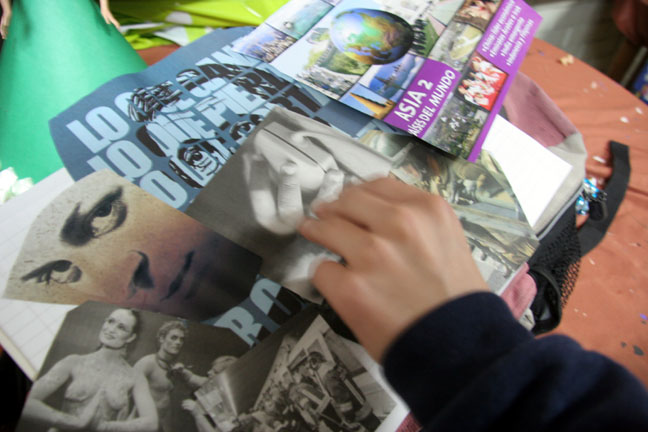
We stayed huddled around my laptop to critique their photos from the last week. Even though a couple days of rain had prevented us from shooting, each student still had a good amount of work to show. Lena and I both commented later that each girl showed her strengths in remarkably different ways. In certain activities, some girls may show more interest or creativity, while others seem to open up to completely different kinds of exercises. Because I want each girl to benefit as much as she can from the class, and there are only 6 students, I find myself trying to plan the widest range of activities possible and to cater them to the girl's personalities. I never knew teachers spent so much time on lesson plans (teachers: nice work). After reviewing their photos, I pulled out a few newspapers and a National Geographic I had purchased earlier in the week (thank you to those who have donated!). To the tunes of Ethiopiques from my computer, I passed out scissors and glue, and the girls began making collages in their journals of images they found interesting for any reason. Due to time restraints, they only had time to fill a few pages, but I hope that we will be able to repeat this exercise with more newpapers and magazines of different kinds because they had a great time selecting their images, laying them out in their journals, and calling me over to proudly show off their creations.

Project for Week 3: Create 10 portraits that incude elements such as a part of a story, an emotion, a mood, the person's character, interests, worries, etc...

**************************************************

The first class of OJOS nuevos will meet for another 5 weeks. While we are excited to have started class, our resources are incredibly limited. We cannot keep the program running without the help of our supporters. If you would like to see OJOS nuevos succeed, please contribute in any way possible. Thank you to everyone who has donated and helped us come this far.

Monday, October 16, 2006

jornada: cajón de maipo


Every three months, a new "class" of volunteers arrives in Santiago. After one month of volunteering with VE, the class is invited to participate in an organization-wide retreat. In a nutshell, this is how I might have explained my first month:

Orientation filled the first week, after which we dispersed all over the city to institutions, host families, apartments, and residence halls. In my opinion, my first week at my institution didn't make much sense. I felt constantly confused and overwhelmed, but for me, I think because of the excitement of finally beginning to realize that I made it here, the challenges didn't completely deflate me. The second week I knew a few of the some 25 girls here, and I could ride the Metro, but I still couldn't follow directions in spanish, give directions in spanish, or accept any real responsibility in the hogar. The third week I learned how to take a micro by myself, a gigantic step forward in my relationship with Santiago's public transit system, and I knew over half of the girl's names. Lena and I began to walk a group of 11 girls back to school after lunch, and we successfully ran some tallares, or workshops, as we like to call our activities for the kids. I also met with a printer to discuss the specs for VE's first marketing brochure, and I learned that brillo means the paper is "glossy" and mate means the paper has a "matte" finish. Week four introduced earlier alarm clocks to our mornings, as we take turns accompanying four girls to and from their special school a couple of metro lines away. Not only can I communicate a little better with the girls and the tias, I know everybody's name and am learning much more about their lives and personalities.


We left last Friday in the afternoon for Cajón de Maipo. The busride took about 2.5 hours and probably was gorgeous, but due to the rain, heavy clouds, foggy windows, and leaking roof, I didn't really notice. We arrived in the gloomy, late afternoon and filled ourselves with tea in our beautiful cabin, soon realizing that the rain had turned to snow. The next morning the sun took quite awhile to melt the ice and snow, a strange mix of summer and winter lingering for hours after dawn. Meanwhile our retreat proved incredibly relaxing, giving us the much needed space and time to think, to discuss, to breathe clean mountain air and process the collage of events layered in piles in our minds. While the above description of my first month is true, so many more thoughts, feelings, frustrations, successes, defeats, and questions had been building upon each other that, had they not been addressed in some manner, they could have become larger obstacles to my being a productive volunteer. For this, I am glad we went on the retreat, and I look forward to the next one already. If you'd like to see our weekend in photos, please visit here.

Thursday, October 12, 2006

OJOS nuevos: clase número dos


Objective for Week 2: Encourage students to approach their subject matter in new and creative ways. By practicing "getting closer," students can focus on searching for details they may have otherwise dismissed, on seeking unique points-of-view, and on gaining confidence in moving with their camera to capture a more interesting image.

Class #2 opened with another slideshow of photography from around the world. While they were well-behaved during the first class, I found that after one week they have come to take this class much more seriously. I asked for silence and stillness during the slideshow, and all four girls in attendance sat quietly watching the wide range of images I selected for this week flash before them to an instrumental by Carrie. To extend the space created for individual thinking, I then asked that each student move to a seat in the room away from everyone else. As they wrote or drew in their journals, I passed out their portraits we had taken for the first page, and I felt pleased to see that everyone had found time within the week to write about last class's question and to decorate their cuaderno a little more.

For the bulk of the class, we gathered around the computer to view each student's first photos. I had no problem keeping their attention on the computer screen, and I could see, as each girl's turn came, a sliding scale of emotions. Some seemed eager to hear what others had to say, some seemed a little shy to be the center of attention, and others seemed just blatantly excited to be finally seeing their work blown up on the screen before them.

Lena and I had each written personal comments about each girl's work, but we decided to pass these sheets out after class, once the girls had a chance to formulate their own discussions first. Running a critique in the english language is difficult enough, from articulating why a certain piece evokes a particular feeling to explaining how to offer constructive criticism respectfully. I only hope that the mistakes I made did not deter too much from the point of what I was trying to say. For the record, "to capture" is captar, "very impressive" is muy impresionante, and the word for "answer" is respuesta NOT repuesto; if you say repuesto you are actually saying "spare part," as in, "I need a repuesto for my broken car," and 6 young adolescent females will break into giggling hysterics. When we finally did pass out the comment sheets we had written, a couple of the girls surprised me with their insistence on notas; they were looking for a number from 1-7, the Chilean grading system. I explained, as best I could, that there would be no grades in this class, rather, there will be areas in which you have succeeded and areas in which you could use to give more attention, effort, or time.


Project for Week 2: Create 15 photographs focusing on details. This assignment is to help students not to quickly dismiss subject matter because it isn’t immediately interesting. Encourage students to take their time while walking with their camera, to select their subject matter and move in closer than they ordinarily might, and to compose their images with attention to detail.

To introduce the project for the coming week, I showed a filmstrip of images I took over the weekend walking around our neighborhood Barrio Brasil. This quickly turned into a game as the girls tried to guess the subject matter of each image. While some classes may have difficulty building a sense of class unity among the students, the six girls in my class not only get along incredibly well, but they seem to have a special relationship that mixes friends with sisters with something secret and serious. I am quickly finding myself intrigued by this group of young women, and I wonder what will happen to them when it becomes their time to leave this barrio, this hogar.

Saturday, October 07, 2006

more than just an idea


After our first photography class on Wednesday, I will admit I felt a little anxious about what would happen next. For months, nearly a year, I have been bouncing the idea of moving to Chile around in my head. Shortly after the initial spark lit I discovered VE, and before I even applied I knew I wanted to help create some kind of art curriculum for the kids. Plans and planning can be very enticing. It's exciting to explore the possibilities of what you might be able to do, to imagine an event or a movement that can change people, that can span time, that can make a statement. But realizing a plan can become tedious, strenuous, and sometimes even too much. I know before I came that my plans seemed awfully lofty, that the plethora of unknown variables weighed heavily against me. Idealism is tricky-- sometimes it scares people away. This photography program seemed incredulous to some, and at times, to myself as well. As I walked down the path Wednesday night after class, from our classroom off the courtyard to our little set of rooms in the corner of the compound, I wondered if this class was really going to be a success.

Yesterday, Friday, gave me a substantial boost of confidence. Usually the girls go back to school after eating lunch, their biggest meal of the day, here in the hogar. On Fridays, however, they do not return to colegio. With a beautiful spring afternoon ahead of us, I encouraged the girls to finish their chores and homework quickly so they could check out their cameras for the first time. All six signed their name on their camera's sign-out sheet, and I told them now the cameras were entirely their responsibility. From even the first couple of photos I could see that this is going to be a very good class. Because they have digital cameras and can review the photos instantly, they could see immediately their success and progress. Each image they took gave them more excitement and curiosity about the photographic process, and made me believe even more in the project. There is still a ton of work to do, but I feel that we are in a good starting place and moving forward.

Thursday, October 05, 2006

OJOS nuevos: clase número uno


Last night at San Francisco de Regis home for girls in Santiago, Chile, Voluntarios de la Esperanza held our first class of the digital photography program "OJOS nuevos." Because we have six cameras for the 25 girls who live here, the director of the institution and I decided to choose six girls for the first pilot class. The girls range from ages 12 - 15, and each one is very excited to be participating in OJOS nuevos. This class will meet every Wednesday for 8 weeks and will include discussions about photography throughout history and in current times, creative thinking exercises, and reviews of their work. In addition, the director has approved excursions for the girls so that we may take the cameras outside of the hogar's walls and explore the city. While VE's funds are shared among all of the projects we run, I hope that we may even be able to sponsor a trip to another city.


I opened the class with a short movie I created showing a wide range of photographs from around the world. We sat in the near darkness around the computer, the images and the haunting melodies of Ayub Ogaba calming the room and helping us gain focus. I plan on starting every class in a similar manner, as the subdued format immediately draws the girls in and simultaneously exposes them to many kinds of photography. Next we did an activity to help explain that the class would be more discussion based, that frequently there is not one answer to questions raised by a piece of art. I had chosen six images, passed out a piece of paper to each girl, and had her number the paper 1-6-- without putting her name on it. For each photo, we wrote how the image made us feel, what the image seemed to be communicating, and what we thought was happening in photograph. I'd like to include this acitivity in a future class, as we practice taking more time to respond and allowing ourselves more time to think. The girls, at first, created a race out of completing each task; I think this will be a good lesson for them. After passing them in, mixing them up, and redistributing the papers, we took turns reading out loud the opinions on each sheet. Some of the girls took this activity more seriously from the beginning, and I'm hoping that they will become positive leaders for the class.

Because the goal of this photography program is to encourage the girls to have the time and to learn to think more creatively, I have included journals as part of the project. We gave each girl her own notebook with the name of the class as well as her name written on the inside cover. I took a portrait of each girl by herself, and these will be affixed to the first page. We spent some time decorating the journals to make them more personal, and I made it clear to them that I would not be reading these journals, nor anybody else. They are for writing, glueing photos that they find and like, sketching ideas and making mind maps. I gave them an idea for their first entry: If you had a magic wand, and could be or do anything you wanted, what would you choose?

Finally came the time for cameras. Each girl has been assigned a number which corresponds to a camera. Any time the girls have finished their homework and chores, they can find me and ask to check out their camera. They can use it in the hogar however they like, and each week they will have an assignment on which to work. I would prefer to leave the hogar once a week with the girls, but due to funding we will have to see what happens. I made it clear that once the girls have signed their name on the sign-out sheet, they are completely responsible for the camera until they bring it back to me. I think this is another important aspect of the class, as the girls are being trusted with a piece of equipment they know is incredibly valuable. By showing that we have confidence in them, perhaps they will feel more confident themselves. Hopefully we can get a back-up camera in case there is an accident!

I would like to extend a gigantic thank you to everyone who contributed to this photography program thus far, and I hope that we can continue to build a network of support to keep the program running and to enable us to make it grow. VE serves over 1000 children throughout Santiago, and we are making great strides as an organization. If you are interested in supporting this project, please visit this website. Thank you for your help, and please check back for weekly updates!

Tuesday, October 03, 2006

roughly 33 degrees south and 70 degrees west


When I first thought about leaving Chicago, I toyed with the idea of returning to Europe, specifically to Italy, where I had enjoyed studies during university. I quickly moved to dismiss the destination for a few reasons. First, I've already been there. If I were going to throw a guillotine down on my life, I wanted to pursue a new adventure. Second, I have been exposed to Europe and its history far too unevenly throughout my education. "World history" in elementary school and high school discussed the Roman empire, the Greeks with their gods and their ideas of the republic, World War I and of course, a great deal about the United States. I never learned about Chinese culture or what Kenya was like before the British and the Portuguese, and I definitely never even heard the words South America used in any context other than listing all of the continents.

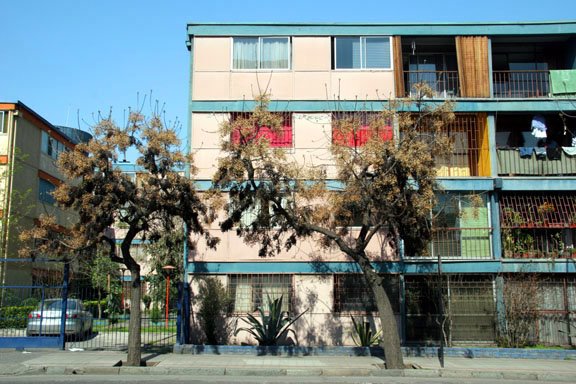
I still have yet to leave Santiago proper because of my work here. But this has allowed me to build a better understanding of the city. With over 6 million inhabitants, which is over 40% of the entire country, Santiago is one of the largest cities in Latin America. It also is a major hub for multinational corporations. There is an area of Santiago with contemporary skyscrapers, sidewalks full of suits walking to work with Starbucks in hand, and restaurants and bars fit for the poshiest clientele. During orientation week we quickly learned the difference between this area of Santiago and the areas in which we worked: you may have only spent 45 minutes on the metro, but it's as if the two stops were on two different planets. Here are some photos from around the city, taken over the past week.

Monday, September 25, 2006

afternoons at the hogar


We live in a cluster of buildings situated around a couple of adjoining patios. While there is a church immediately next door to the complex, and the girls say their prayers before meals and attend catechism classes, I don't know if the hogar is funded privately or through the government. In comparison to other hogares, I believe that we are very fortunate, and have access to all of our essentials and even more. Still, however, resources are scarce. The cheerfully painted walls around the patio brighten the look of the place, but there is still a lot of pain and anger. Those in charge of the hogar believe in keeping the girls occupied, which definitely helps with their behaviors and attitudes. We clean multiple times a day, and everyone shares in the daily maintenance of our lives here. The tias are the bosses here, we have two day tias and two night tias. Each shift lasts 12 hours and consists of everything one might need to do to raise 26 girls. Needless to say, they are quite busy.

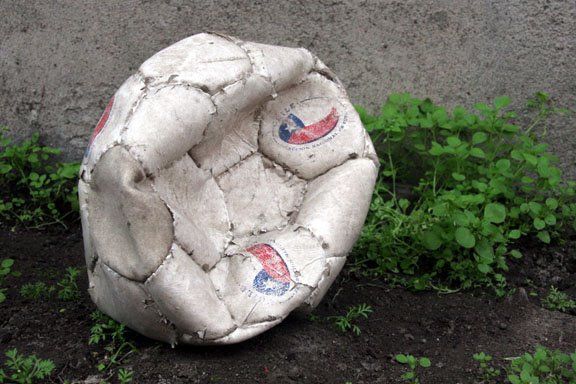
The girls look to us volunteers for social, cultural, recreational, and supplemental educational projects. Our website outlines many of our current projects, but we are always starting new ones as more volunteers arrive with fresh energy and ideas. One of our biggest projects is called Liga de Futbol and organizes soccer tournaments in which teams from different hogars can play against one another. This program is important because not only does it give these children a chance to leave their hogar for a full Saturday of fun (with a meal included) but they also can meet other children from other hogars and experience healthy competition and teamwork. The girls at San Francisco de Regis love to play soccer, but I had heard that they never win any games. I found out why the other day: this is their only soccer ball. I dug it out of a closet, deflated, and the girls immediately gathered around me to play with it. I told them after lunch I would go to the gas station to fill the ball, or pelota, up with air, and they could barely contain their excitement. You can imagine how I felt when the worker at the closest gas station told me there was a hole in the ball, that he couldn't inflate it. I had to walk back to the girls and tell them I would explain the rules of soccer to them another day, when we had a better ball. They looked at me as if they had heard this all before.


Luckily we do have some supplies in a closet here in our set of rooms on the complex. I found a few balls of yarn, and while I'd rather teach the girls to crochet or something more useful, we only had yarn at this point. So I decided to teach them fingerknitting instead. The first girl to learn, I will call her Ana, told me that she didn't think that she would be able to do it. Ana is a bit shy, and being maybe 9 years old, a little awkward. She insisted she would not be able to learn. Lena and I sat with her, and within minutes she insisted she didn't need our help. Other girls came and went, fingerknitting as long as their rather short attention spans, but Ana sat in the sun in her chair all afternoon, intent on finishing the whole ball of yarn. And when she did, and the other girls poured compliments over her finished piece, she couldn't stop smiling.

Tuesday, September 19, 2006

independence month


While September 18th might be the day Chile officially celebrates its independence day, the days of the month leading up to it are filled with anticipation and preparation: Cueca, the traditional national music and dance, is played in every store and colectivo (cars with specific routes where buses don't go), flags are sold at nearly every intersection, and empanadas become even more abundant. On the 18th itself the city center becomes a bundle of enclosed outdoor party areas with rather steep entrance fees-- inside you can purchase more traditional food and watch performers dancing Cueca. In the neighborhoods, or comunas, you can find bars and parties where, whether in costume or not, Cueca has taken over. Regardless of where you are, you will be haunted by the smell of asado, as Chileans barbecue enormous amounts of their favorite meats in their backyards and on the streets.

Above, at Domingo Savio community center, the children are showing off their best Cueca moves in a dance competition. Some of the kids tried to teach me the steps, explaining that its a dance about courtship. Unlike one step that is repeated or transformed at the dancer's will, Cueca seemed more like a narrative to me. Handkerchiefs are waved, and the dancers move in half moons around each other as the men try to capture the women's attention. After the dance competition, the kids rotated around a series of games set up in D.Savio's patio. Baked empanadas finished the evening, with of course, loads of candy...


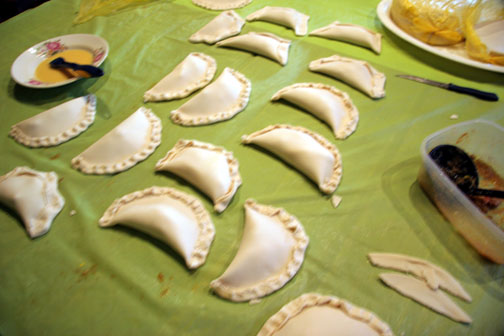
Fortunately I was at Domingo Savio before the kids arrived, and I helped make the dozens of empanadas we would need for the party. I'm not sure how they make the dough, as it was already prepared, but inside you will find meat cooked with spices and onions, a quarter of a boiled egg, and one black olive. Tia Olga kept reminding us to press harder as we assembled them, as they have a tendency to open up as they bake. I wish I could tell you how they tasted (vegetarian...)-- I know that the kids really liked them!

Thursday, September 14, 2006

now it's time for the real thing


Orientation week officially ended on Sunday, as we all moved into our own living situations, but due to Monday being September 11th our directors decided to have us stay out of the city center and attend an all day English teaching workshop headed by WorldTeach. September 11th in the United States might refer to the attack on the Twin Towers in New York, but here in Santiago de Chile the same date might recall memories of the 1973 coup and the beginning of General Pinochet's Reign of Terror. Lena and I didn't know the micros, or buses, would stop running quite as early as they did on Monday, and thus waited to find a cab for a few hours. Luckily the cab driver didn't charge us too much extra to get us home safely, despite a few minor fires in the streets. Most of the protest action took place far away from where we were going, and many people stayed inside this year as not only was it the anniversary of the coup, but this year it was also the 20th anniversary of the asassination attempt on Pinochet. For more information on Chile, Augusto Pinochet or Salvador Allende, and the coup of 1973 I recommend starting with the BBC's country profile on Chile.


Meanwhile I put up some photos from orientation week, and you can see them here. Even though we've only known each other for one week, the 17 members of the Class of Septiembre 2006 have spent nearly every second together-- especially since we were all staying at the hostel together. We are even passing around the same persistent cold / sore throat, and I cannot wait for it to start getting warmer. True, when the sun is out and directly hitting you, it can get quite warm. But in the shade and at night, it becomes so cold I can't stop shaking (there's no heat). I think my body is in shock and protesting my clothes-packing decisions. The good news is that the next 5 days will be full of festivities as Chile prepares to celebrate its independence day on September 18th. Monday is sure to be full of street parties and shows, with the traditional music, dance (Cueca), and food already saturating every moment of the entire month of September.


Work at the institutions has begun. I am working at San Francisco de Regis along with Lena. The Catholic run home is in charge of 30 girls from ages 4-15. We will be providing activities in music, dance, futbal, art and art history, and hopefully! digital photography. Fortunately there are computers onsite, which is one step closer to successfully implementing the digital photography program so many people have helped me build. I am currently working on the lesson plans, and will keep updates of our progress. Until then, besos.

Wednesday, September 06, 2006

half-way through orientation week


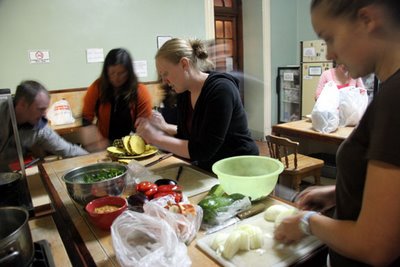
Orientation week is now in full swing. This past Sunday all volunteers had finally arrived at La Casa Roja, the backpackers hostel in which we are living for the week. After making a trip to the local grocery store, we tested our teamwork in preparing dinner for all of us in the huge communal kitchen here. While I have eaten in some cafés and restaurants here, I have only tried a few dishes. Already I can tell that I will be eating more avocado, or "palta," than I probably have in my whole life up until this point. But I'm ok with that, since you can find variety in the items on which you put the palta: here, palta can even go on pizza. We decided to stick with pasta, since there is a whole aisle of it here in the grocery store, but if you are particular about your pasta sauce you may find the tomato to sugar ratio in the Chilean version of pasta sauce rather staggering.

The way that VE is structured, a new "class" of volunteers arrives every three months. Participants may leave after the first three months, or they can stay for as long as they would like thereafter. Most people stay between 3-12 months, depending on what they have time for and what they can afford. The first week you are in Santiago is thus your orientation week which is hosted by the any current volunteers and is a collage of meetings, presentations, games, tours, talks and meals. Monday morning we began this very full, intense week. I have a feeling that my days here might quite possibly be full and intense for the entire duration of the trip. As of halfway through this orientation, we have visited 2 hogars, or homes, shared small group and large group meals, participated in many games including a scavenger hunt around Santiago, met with the directors of the centers in which we will be working, and engaged in many stimulating discussions about what we are trying to do here.
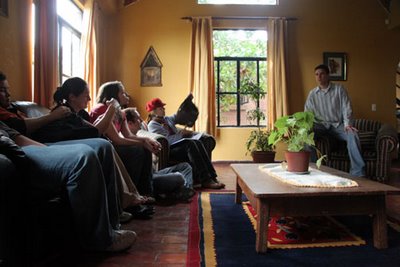

Here we are at the Casa Grande, or Hogar Esperanza, with Luke about to present Jorge Daveggio. Jorge is the director of this hogar, and the instigator of the foundation. We gathered in the living room and he told us the story of why he founded this place when he was only 19. He had a job when he was 18 where he was around kids his own age and younger, and he would see them pick through the garbage to look for food. But everyday after work, he would go home to his family and food would be ready for him on the table. The injustice struck him so deeply that he and two friends founded this private home with the mission being to raise the children there as if they were their own. 25 years later, Jorge is still playing father to the kids at Hogar Esperanza, or Shelter of Hope. He imparted realistic and sincere advice, encouraging us to be positive, proactive, humble, and determined. I feel very comfortable knowing that he has made himself available at any time to any one for questions or discussions-- there is much to learn from him.
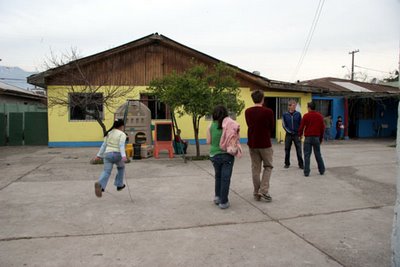
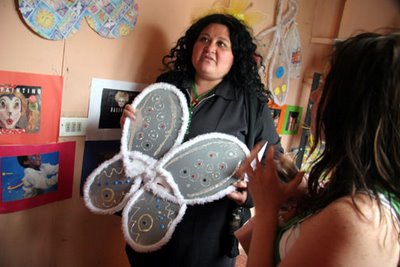

During orientation week, we are divided into small groups of new volunteers led by one current volunteer. Throughout the week the small groups visit other hogars or centers so that we have a better understanding of the scope of VE, as the network of organizations with which it works is very wide in range. My group's first visit was to Club Domingo Savio, a community center that has existed in some capacity for over 20 years. While Domingo Savio used to be a live-in home, now it is called a "Club" and acts as more of a preventative force in the at-risk community in which it is found. D.Savio is funded completely privately, and even though it's resources are still very limited, the positive energy in its classrooms and playground fights hard against the hard reality of the children who work and play there. The volunteers assist and support the strong permanent staff of the Club, and they are the only ones who actually sleep in the modest building. Many of the children who are a part of D.Savio have single mothers who work incredibly long hours, and so after a half day of school (a normal school day for most) the kids would have nowhere to go. Club D.Savio provides them with personal attention with their homework, basic lessons about right and wrong, health and hygiene, proper behavior and the like, exposure to music and theatre, and a hopeful view of the future. What's more, every Tuesday parents are invited in to cook in the kitchen and to see what their children have been doing. Club D.Savio costs no money to families save 1.000 pesos per month for toilet paper-- the equivalent of about $2.00. If somebody cannot pay, they can simply donate one day a month of their time to help clean the Club.

Today we had the privilege of meeting with Steve Reifenburg in Harvard's office in Las Condes, a very affluent neighborhood in Santiago. Over 20 years ago he too volunteered at Santo Domingo Savio; he now focuses on international conflict resolution. Another genuine and strong leader, Steve discussed with us a wider view of Chile's socio-economic position and the role of poverty in its history. We weighed its successes against its challenges, from female presidents to a new highway that excludes citizens with its incredibly high tolls. With the education system being one of its most frustrating obstacles to date, Steve asked us stay mindful of our roles as sort of teachers in one way or another.

I am anxious to see the Aldea Maria Reina, where I will be working. I have heard from other groups what it is like, and I have met the director, but a clear understanding of what I will bring to the institution is not to be had until I go. I will admit I am nervous. But even half way through orientation, I feel that I have a strong network of supporters and access to valuable advisors. Until this weekend then, cheers.

Sunday, September 03, 2006

first weekend in santiago


With orientation starting tomorrow and only four hours of sleep supporting me due to last night's salsa dance outing, I am heading to bed directly. But the first photos of the city are up for viewing, you can see them by visiting here.

Saturday, September 02, 2006

of take-offs and landings


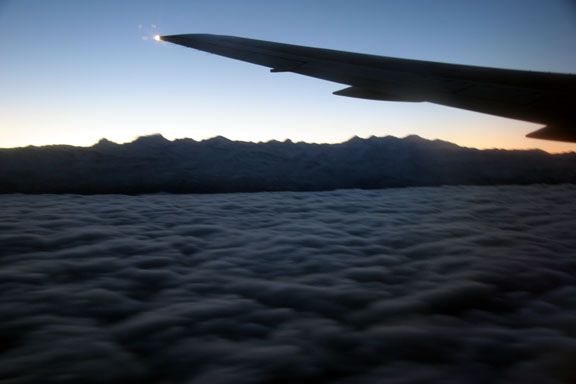
I'm here. After something like 24 hours of travel-- only a couple planes, lots of waiting-- I am in Santiago de Chile with all of my luggage. The flight to Miami seemed like nothing out of the ordinary really, but during my layover in the Miami airport I began to realize that something strange was on its way. For awhile it felt odd that I was not getting up and going to work but to be honest actually it hasn't bothered me that much. Part of me believed that this was all just a farce and I would wake up and go back to being a Marketing Director again, in the cubicle, with the schedule. Saying goodbye to my mom at the airport gave me a hint, but hanging around the Miami airport, where everyone speaks a different language, secured it: I would finally be leaving the country. I couldn't be more excited to be here. The flight from Miami to Santiago proved as easy as I think an 8 1/2 hour long flight could be minus the fact that I don't think I slept more than 3 hours. Losing my luggage, a great fear of mine, thankfully did not happen. With an arrival time set at 6.40am, I approached Santiago from the north with the Andes courting the plane out my window. The sun rise pending behind the mountains created a rainbow along the horizon, and made the jagged tops looks like they were on fire. In this photo, you can see the clouds covering Santiago, nestled between the mountains here and the ocean on the other side.

Three of us arrived at the airport at various times yesterday morning-- Jackie, Michelle, and myself-- with another five here this morning. And now, must meet them for an Escudo next door.

Saturday, August 26, 2006

"hello chile" benefit a success


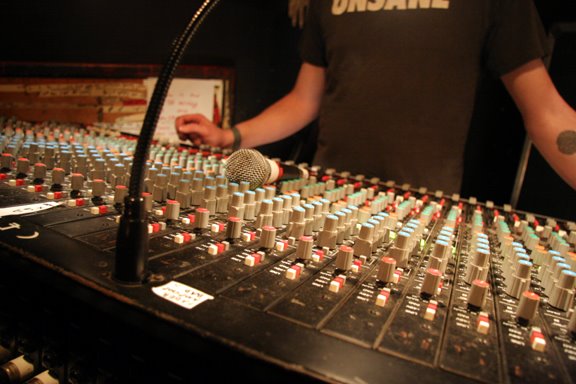
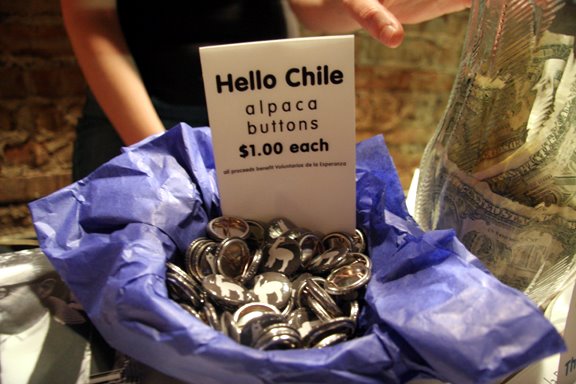
Sunday, August 13th at the Empty Bottle in Chicago we hosted Hello Chile to raise funds and collect photography equipment for Voluntarios de la Esperanza (VE). Well over 100 people attended the show which included live music, a local artist print sale, and a raffle. Thanks to everyone who came and helped with the event, we raised just over $1000 for VE. All proceeds from the event will help VE produce more educational and social programs for disadvantaged youth in Santiago, Chile. We were also able to introduce VE to Chicago through the benefit and the press promoting it-- please check out the interview on Chicago Public Radio's Worldview. The digital camera count is currently a tentative 7 (as I am still checking out compatibility and cord situations) but this quantity is definitely enough to start some photography classes. To all who came, I really appreciate that you did. Thanks.


I'd like to say thank you to all of the visual artists that donated prints to the print sale. The layout of the Empty Bottle seemed a perfect fit for the type of event that Hello Chile ended up being. With the front door leading into a quieter gathering area, guests were able to collect information on VE, drop in a few raffle tickets and browse the rather extensive print sale before entering the music and bar space. All the artists proved incredibly generous, and I offer an enormous thank you to everyone who participated. Thank you to: Bernie McGovern, Patrick Tianen, Sarah Ferone, Scott Strazzante, Lindy Drew-- all the way from Chile! Michelle Schackmann, Steve Johnston, Saverio Truglia, Scott Polach, and Shauna Bittle. Thank you!


To all the musicians I extend my gratitude as well-- Beardog, Big Buildings, The Modern Temper, your energy flew from the stage like some sort of highly contagious disease that I seemed very eager to catch. And Shelley Short and your band, you played a perfect set to take a second and breathe a beer or two after the chaos of the night. Thanks to you all, many of whom I had never even met before. I'd also like to say thank you to all of the special visitors before the event started, and to Michelle Schackmann who helped keep details from slipping through the planning process and promoted with zeal. Michelle has also been accepted to VE and will be leaving for Santiago at the same time as me.


Check out the rest of the photos here on my flickr account. And if you couldn't make it to the event, feel free to make a secure contribution on my donations page. All proceeds still benefit VE and its endeavors.

Thursday, August 10, 2006

chicago public radio's Worldview features VE


Today on Worldview's Global Activism Series Jerome McDonnell invited me to discuss VE's mission and current projects in Chile. We talked about the origin of VE, why the non-profit started, and the upcoming Hello Chile benefit show at the Empty Bottle this Sunday. Give it a listen, especially if you are interested in volunteering or donating.


Reminder: please come to the Empty Bottle, 1035 N. Western Ave, this Sunday at 9pm to support VE and help raise funds for its programs.

There will be live music, including Shelley Short, The Modern Temper, Big Buildings, and Beardog. We will also be raffling off a gift certificate to Nacional 27 valued at $300, passes to a documentary about Chile's Salvador Allende and a free membership to the Gene Siskel Film Center, and
a gift basket of spa products courtesy of Benefit Spa. All donations are welcome; don't forget to bring any new or used point-and-shoot digital cameras with their cords to the event.

VE is an NGO that is run solely on the donations raised by volunteers. Voluntarios de la Esperanza (VE) is a 501(c)3 non-profit organization dedicated to bringing equality of opportunity to Chilean children and ending cycles of poverty and child abuse. While VE does not run the children's homes and shelters in which it places volunteers, VE members play a vital role in initiating much needed educational and social programs for the disadvantaged youth involved with the organization. The event this Sunday, Hello Chile, will do more than help bring photography to Chilean kids-- the funds collected will enable VE to become a stronger and even more productive force in Santiago and eventually outside of the city as well. An interinstitutional soccer league, literacy program, and school supplies drive are only some of the projects implemented by VE to improve the lives of hundreds of underprivileged children in Chile. Please visit VE's website for more information.

Please come! Bring everyone you know.